
Stand with West Australians facing rare and life-changing conditions
Stand with West Australians facing rare and life-changing conditions
Your tax-deductible donation before June 30 can help fund research that changes lives
Your tax-deductible donation before June 30 can help fund research that changes lives
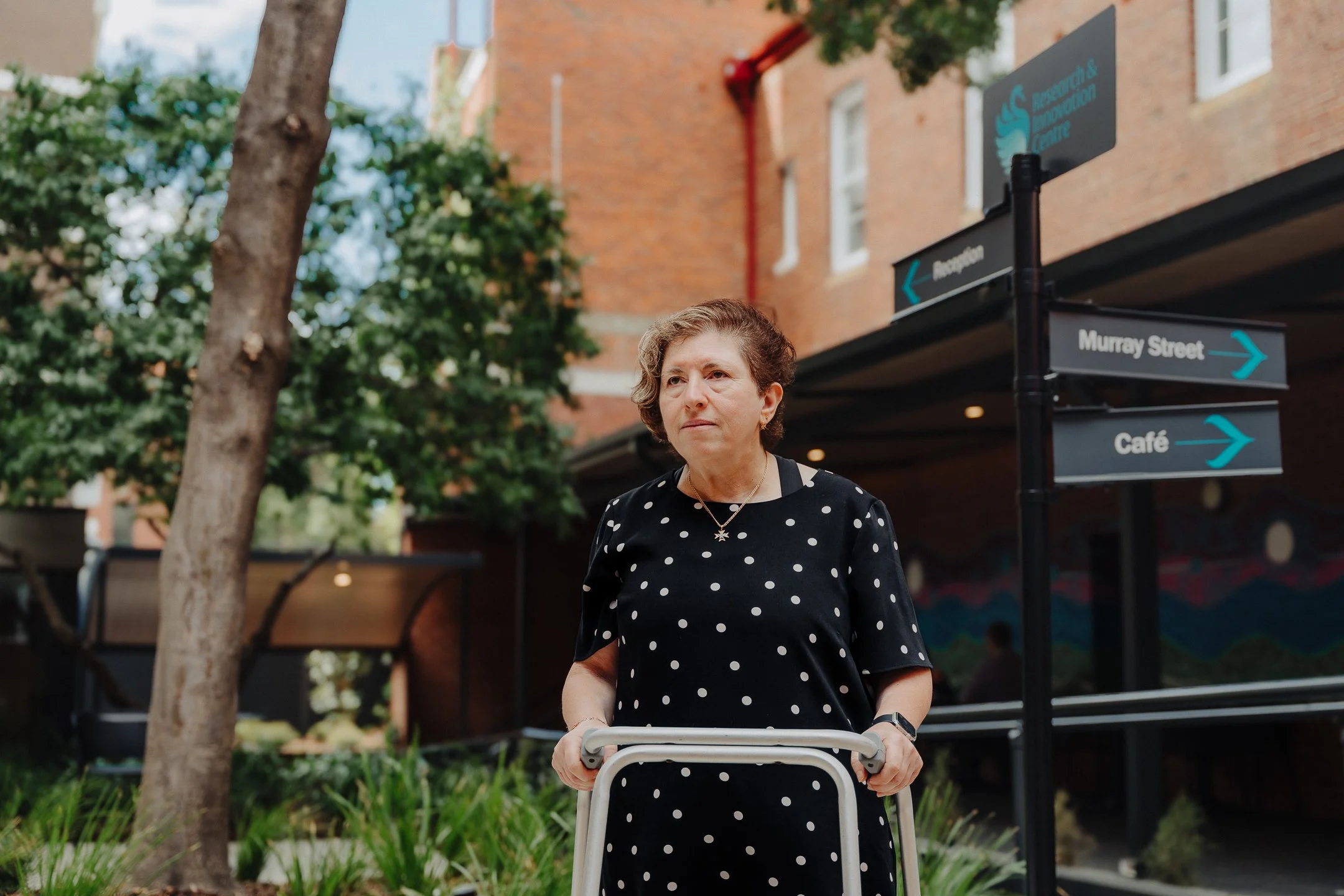
Stephanie Moore has always valued her independence and contributing to the world around her.
Then everything changed.
She was diagnosed with Stiff Person Syndrome (SPS), a rare neurological autoimmune disease that causes severe muscle stiffness, painful spasms, and loss of mobility.
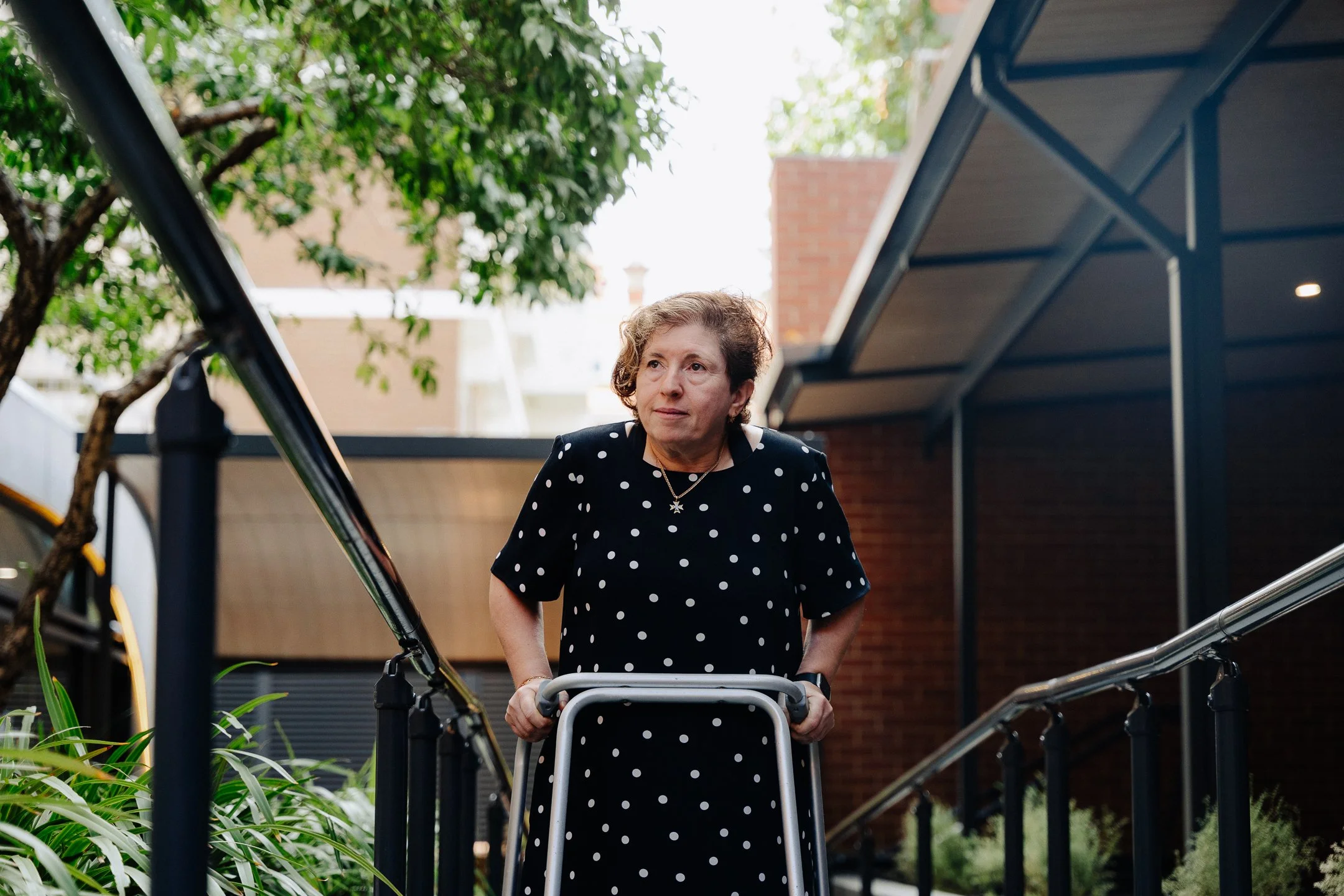
As a regressive condition, SPS can be life-threatening and disabling. Everyday movements require planning. Stephanie felt that her body had become unreliable.
“There were days I didn’t think I would walk again.”— Stephanie Moore, SPS Patient
Today, Stephanie relies on intensive therapies and medications just to manage her symptoms. These treatments help stabilise her condition, but they do not address the underlying disease.
This is the reality for people living with rare and chronic autoimmune diseases. Without research there is often only lifelong management, but research provides hope.
“There were days I didn’t think I would walk again.”— Stephanie Moore, SPS Patient
Research proposed by Cell and Tissue Therapies WA (CTTWA) at Royal Perth Hospital represents something different. It represents the possibility of addressing the root autoimmune driver of SPS rather than simply suppressing symptoms.
This research is exciting because it offers the potential for real change, reduced spasms, less medication dependence, and greater independence.
Your donation to RPH Research Foundation helps fund vital research that gives patients access to new possibilities and hope for new treatments.
Today, Stephanie relies on intensive therapies and medications just to manage her symptoms. These treatments help stabilise her condition, but they do not address the underlying disease.
This is the reality for people living with rare and chronic autoimmune diseases. Without research there is often only lifelong management, but research provides hope.
Your support funds hope for new treatments
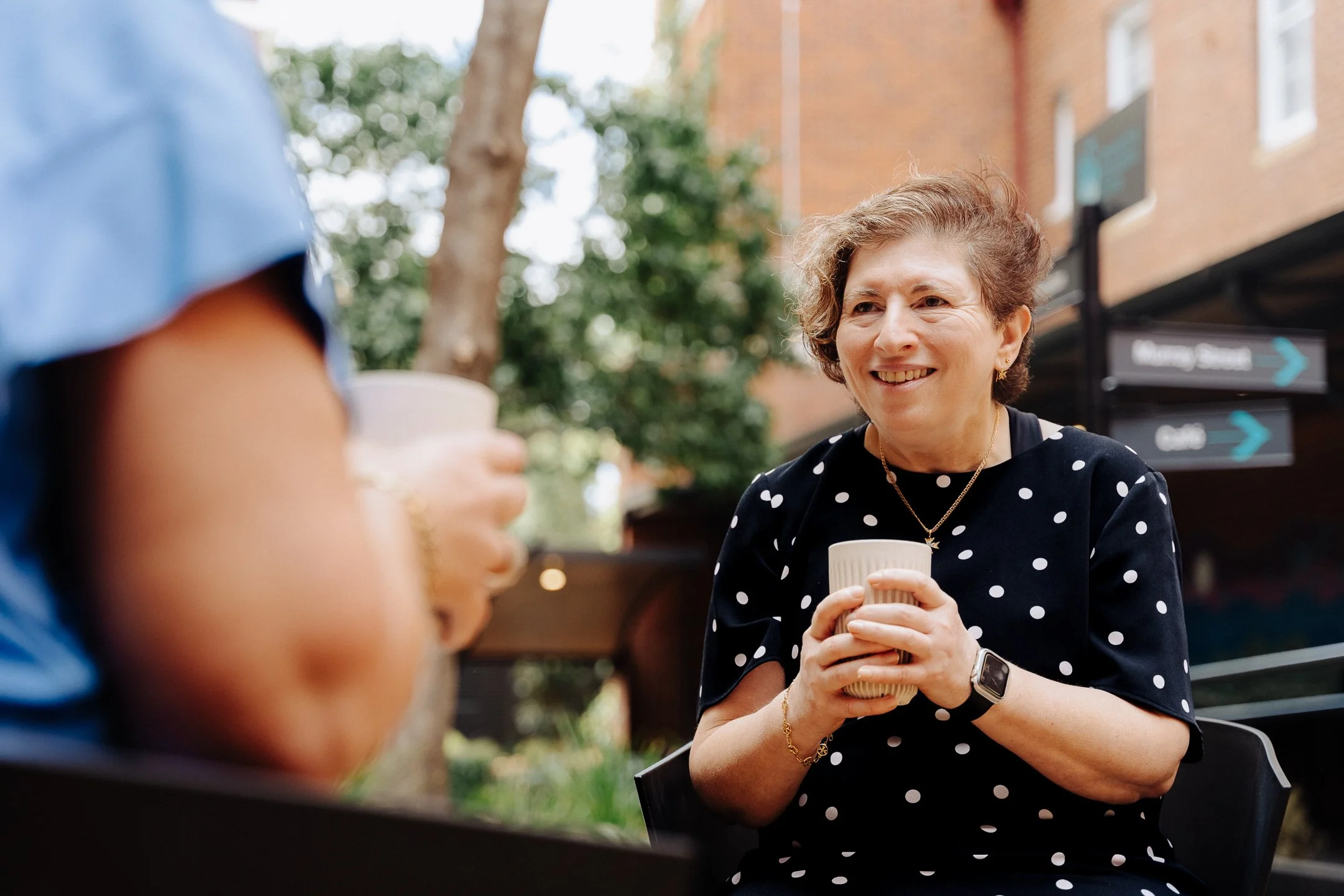
“Rare diseases like SPS rely on people who choose to care. From the doctors who learn about the condition to be able to diagnose it, the researchers who try to find solutions and the donors who give to this vital research,” Stephanie said.
Please make a tax-deductible donation before June 30 to support vital research.
Your generosity will help drive discoveries that could transform lives, for people like Stephanie facing conditions that are too often overlooked.
Research proposed by Cell and Tissue Therapies WA (CTTWA) at Royal Perth Hospital represents something different. It represents the possibility of addressing the root autoimmune driver of SPS rather than simply suppressing symptoms.
This research is exciting because it offers the potential for real change, reduced spasms, less medication dependence, and greater independence.
Your donation to RPH Research Foundation helps fund vital research that gives patients access to new possibilities and hope for new treatments.

Stephanie Moore has always valued her independence and contributing to the world around her.
Then everything changed.
She was diagnosed with Stiff Person Syndrome (SPS), a rare neurological autoimmune disease that causes severe muscle stiffness, painful spasms, and loss of mobility.
As a regressive condition, SPS can be life-threatening and disabling. Everyday movements require planning. Stephanie felt that her body had become unreliable.
Your support funds hope for new treatments
“Rare diseases like SPS rely on people who choose to care. From the doctors who learn about the condition to be able to diagnose it, the researchers who try to find solutions and the donors who give to this vital research,” Stephanie said.
Please make a tax-deductible donation before June 30 to support vital research.
Your generosity will help drive discoveries that could transform lives, for people like Stephanie facing conditions that are too often overlooked.