
Safer Catheter Alternatives for Women
Does an external urinary catheter provide an acceptable option to reduce the risk associated with catheterisations in female patients within an Australian acute care setting? – a pilot study
Royal Perth Bentley Group
Funding: $19,891
Coordinating Principal Investigator: Mrs Judith Thompson
Co-Investigators: Ms Thanh Thao (Tina) Le, Mrs Rika Subedi, A/Prof Vicki Patton
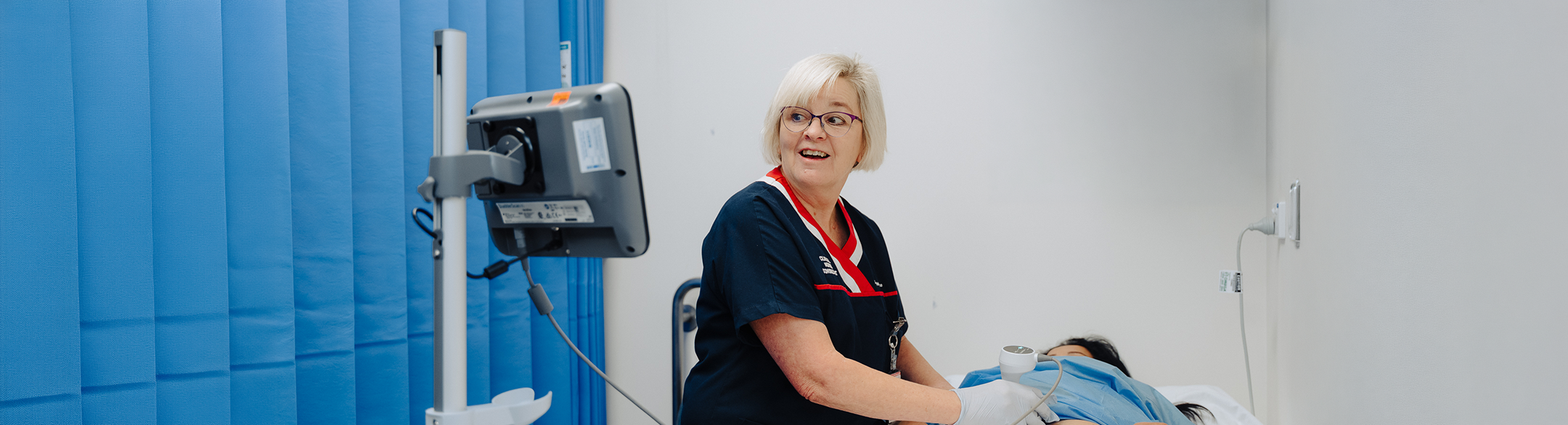
For many women in hospital, especially those who are bed-bound, immobile or acutely unwell, managing urinary needs can be difficult and uncomfortable. The most common solution, an indwelling catheter (a tube inserted into the bladder), can be effective, but it also carries risks of infection, discomfort and even injury during insertion.
This study investigates the safety, acceptability and comfort of a female external urinary catheter (a device positioned outside the body) as an alternative for female patients in an acute care in hospital. While this device is already in use overseas, this is the first study into the device in Australian hospitals.
The study will be undertaken within the intensive care unit, trauma unit and rehabilitation wards at Royal Perth Bentley. The team will assess whether this device is safe, comfortable and practical for patients. Importantly, the study will capture the experiences of both patients and healthcare staff, looking at whether the device improves comfort, preserves dignity, and is easy to use in a busy hospital environment.
Researchers will also examine whether the device can reduce reliance on traditional catheters, which are a major cause of catheter-associated urinary tract infections (UTIs). Reducing these infections can lead to better patient outcomes and shorter hospital stays.
Beyond patient care, the study will evaluate whether the device can ease the workload for nurses by reducing the need for frequent use of bedpans, as well as compare the costs of this approach with the current standard practice.
This research has the potential to introduce a safer, more comfortable option for women in hospitals, helping to improve care while reducing risks.
As the top-ranked nursing application, this project is the 2026 Doreen McCarthy Nursing Research Grant.
Safer Catheter Alternatives for Women
Does an external urinary catheter provide an acceptable option to reduce the risk associated with catheterisations in female patients within an Australian acute care setting? – a pilot study
Royal Perth Bentley Group
Funding: $19,891
Coordinating Principal Investigator: Mrs Judith Thompson
Co-Investigators: Ms Thanh Thao (Tina) Le, Mrs Rika Subedi, A/Prof Vicki Patton
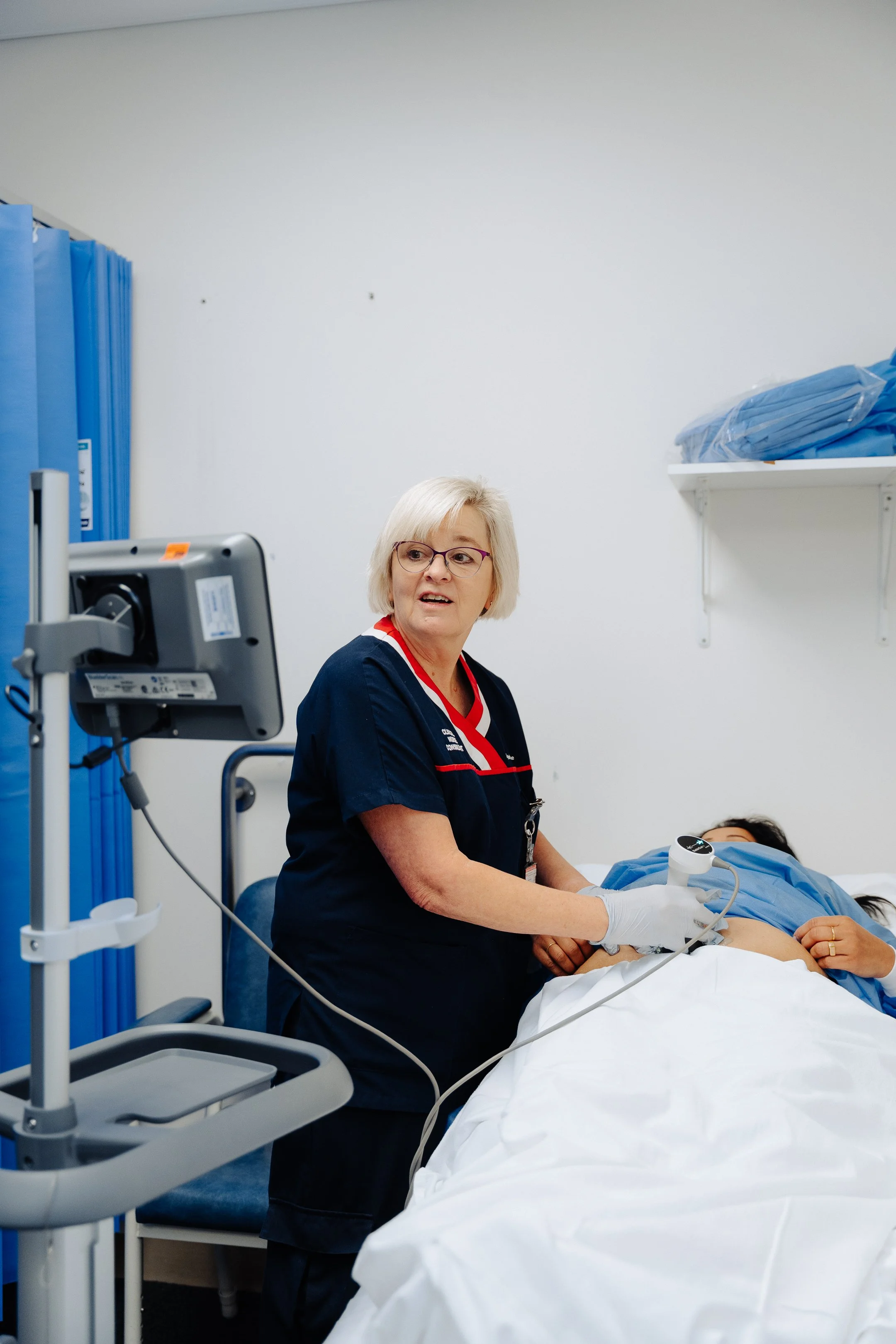
For many women in hospital, especially those who are bed-bound, immobile or acutely unwell, managing urinary needs can be difficult and uncomfortable. The most common solution, an indwelling catheter (a tube inserted into the bladder), can be effective, but it also carries risks of infection, discomfort and even injury during insertion.
This study investigates the safety, acceptability and comfort of a female external urinary catheter (a device positioned outside the body) as an alternative for female patients in an acute care in hospital. While this device is already in use overseas, this is the first study into the device in Australian hospitals.
The study will be undertaken within the intensive care unit, trauma unit and rehabilitation wards at Royal Perth Bentley. The team will assess whether this device is safe, comfortable and practical for patients. Importantly, the study will capture the experiences of both patients and healthcare staff, looking at whether the device improves comfort, preserves dignity, and is easy to use in a busy hospital environment.
Researchers will also examine whether the device can reduce reliance on traditional catheters, which are a major cause of catheter-associated urinary tract infections (UTIs). Reducing these infections can lead to better patient outcomes and shorter hospital stays.
Beyond patient care, the study will evaluate whether the device can ease the workload for nurses by reducing the need for frequent use of bedpans, as well as compare the costs of this approach with the current standard practice.
This research has the potential to introduce a safer, more comfortable option for women in hospitals, helping to improve care while reducing risks.
As the top-ranked nursing application, this project is the 2026 Doreen McCarthy Nursing Research Grant.