
Rebuilding Strength: Narelle’s Journey Through Breast Cancer Recovery
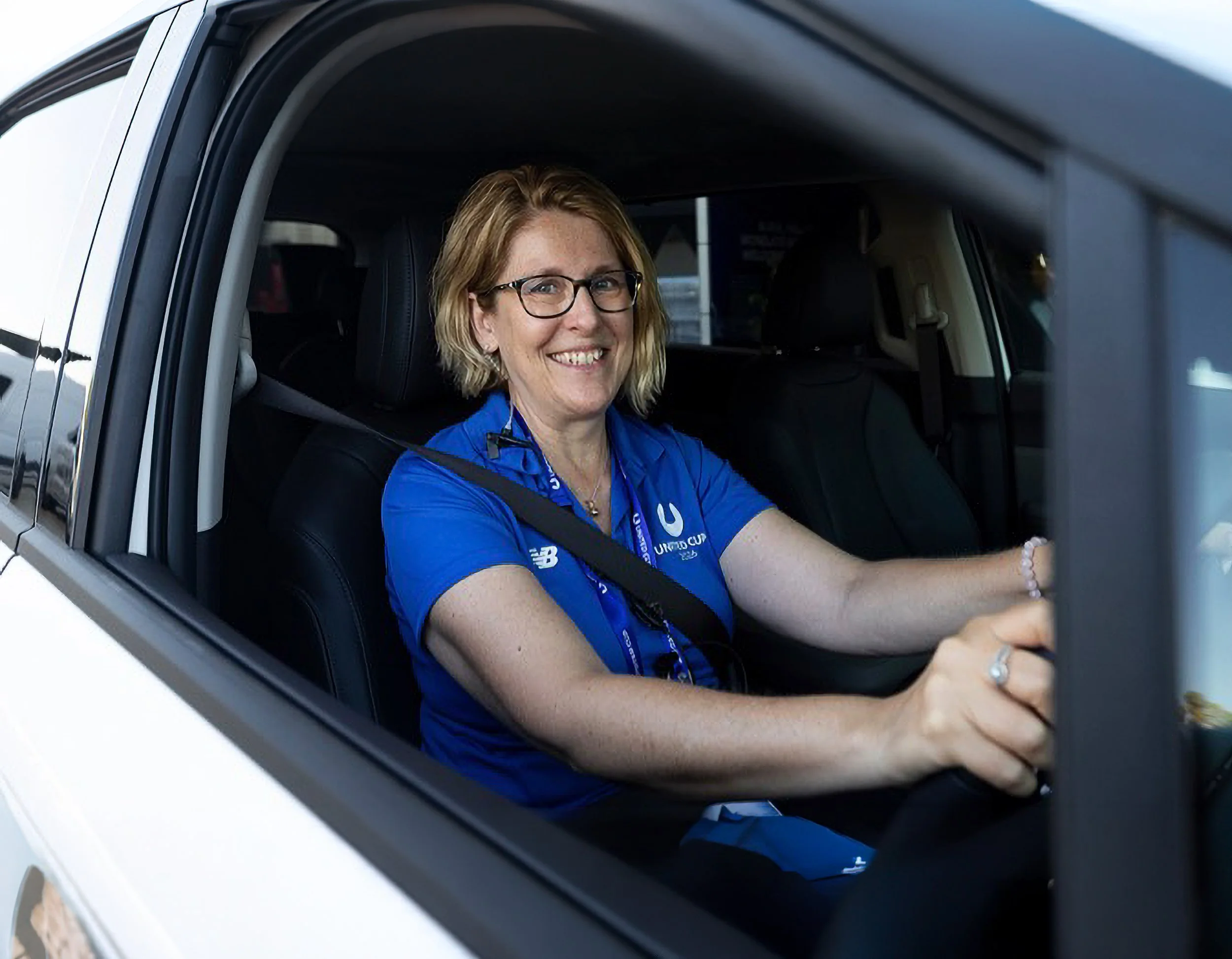
At 55, Narelle Watkins was fit, healthy and strong. The gym was her happy place, embracing an active lifestyle that supported both her physical and mental wellbeing. Her positive outlook meant she could find the silver lining in almost any situation.
That positive outlook was put to the test in early 2025 when a routine mammogram led to a call from the Royal Perth Hospital Breast Clinic for further investigation. Following ultrasounds and biopsies Narelle received the news no one expects. She had breast cancer. Testing revealed four separate tumours, requiring a mastectomy.
“Hearing the word mastectomy was confronting,” she recalls. “For the first time, I became emotional about my diagnosis.”
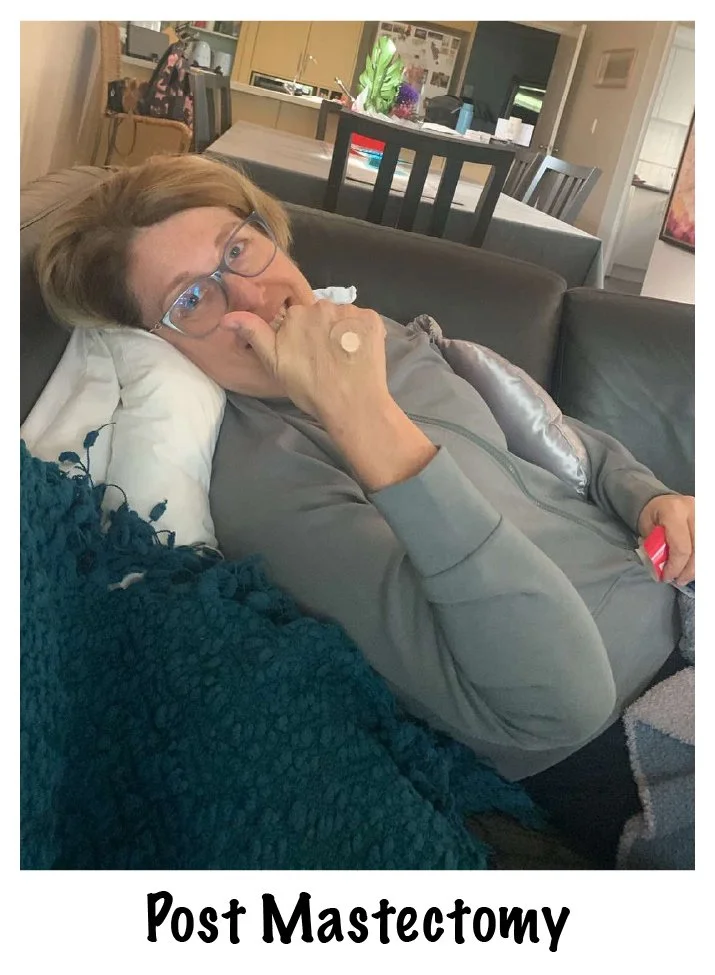
While surgery was successful and no cancer was found in her lymph nodes, recovery proved far more difficult than she anticipated.
“You realise when you have a cut from hip to hip how much you use your abdominal muscles for daily living,” she says. “The exhaustion was overwhelming.”
“There was no longer a ‘next step’ to focus on. It was now about allowing my body time to recover,” she says. “It felt like it was up to me to navigate the recovery process, but I was apprehensive about doing this alone.”
Just three weeks after surgery, Narelle was invited to participate in the SMART Exercise Study, a research program designed to support women recovering from breast cancer treatment through supervised exercise and rehabilitation. The study explores whether a tailored exercise program, delivered in person or via telehealth, can improve quality of life, physical strength and fatigue for patients accessing the RPH Breast Clinic.
For Narelle, this was the perfect opportunity to get back to life pre-surgery and back to the gym as soon as possible with support from exercise physiologists to do that in a safe and supported way.
The program quickly became much more than an exercise intervention. The exercise physiologists and physiotherapists provided reassurance, guidance and encouragement throughout her recovery journey, helping her regain confidence in what her body could do.
Before joining the study, Narelle’s goal was simple: to regain enough strength to perform push-ups and hold a plank. Through personalised exercise, expert support and ongoing monitoring, she steadily rebuilt both her physical strength and her confidence.
“The physios were such an amazing support for me, not only in getting my physical health back on track but also helping me stay mentally positive.”
Today, Narelle is cancer-free and credits the SMART Exercise Study with making her recovery journey significantly easier.
“Medical research like this relies upon the generous support of donors,” she says. “You are making the life of a cancer patient a little easier, and what an amazing power that is.”
This research project is supported by a generous Gift in Will in memory of Felix Viktor Vonesch and Verena Vonesch. Thank you to all our donors and supporters who make research like this possible. For patients like Narelle, that support provides strength, confidence and hope when it is needed most.
Rebuilding Strength: Narelle’s Journey Through Breast Cancer Recovery
At 55, Narelle Watkins was fit, healthy and strong. The gym was her happy place, embracing an active lifestyle that supported both her physical and mental wellbeing. Her positive outlook meant she could find the silver lining in almost any situation.
That positive outlook was put to the test in early 2025 when a routine mammogram led to a call from the Royal Perth Hospital Breast Clinic for further investigation. Following ultrasounds and biopsies Narelle received the news no one expects. She had breast cancer. Testing revealed four separate tumours, requiring a mastectomy.
“Hearing the word mastectomy was confronting,” she recalls. “For the first time, I became emotional about my diagnosis.”
While surgery was successful and no cancer was found in her lymph nodes, recovery proved far more difficult than she anticipated.
“You realise when you have a cut from hip to hip how much you use your abdominal muscles for daily living,” she says. “The exhaustion was overwhelming.”
“There was no longer a ‘next step’ to focus on. It was now about allowing my body time to recover,” she says. “It felt like it was up to me to navigate the recovery process, but I was apprehensive about doing this alone.”
Just three weeks after surgery, Narelle was invited to participate in the SMART Exercise Study, a research program designed to support women recovering from breast cancer treatment through supervised exercise and rehabilitation. The study explores whether a tailored exercise program, delivered in person or via telehealth, can improve quality of life, physical strength and fatigue for patients accessing the RPH Breast Clinic.
For Narelle, this was the perfect opportunity to get back to life pre-surgery and back to the gym as soon as possible with support from exercise physiologists to do that in a safe and supported way.
The program quickly became much more than an exercise intervention. The exercise physiologists and physiotherapists provided reassurance, guidance and encouragement throughout her recovery journey, helping her regain confidence in what her body could do.
Before joining the study, Narelle’s goal was simple: to regain enough strength to perform push-ups and hold a plank. Through personalised exercise, expert support and ongoing monitoring, she steadily rebuilt both her physical strength and her confidence.
“The physios were such an amazing support for me, not only in getting my physical health back on track but also helping me stay mentally positive.”
Today, Narelle is cancer-free and credits the SMART Exercise Study with making her recovery journey significantly easier.
“Medical research like this relies upon the generous support of donors,” she says. “You are making the life of a cancer patient a little easier, and what an amazing power that is.”
This research project is supported by a generous Gift in Will in memory of Felix Viktor Vonesch and Verena Vonesch. Thank you to all our donors and supporters who make research like this possible. For patients like Narelle, that support provides strength, confidence and hope when it is needed most.