A program funded by the RPH Research Foundation is helping women recover from breast cancer by focusing on physical exercise.
The SMART (Self-determined Monitored Adaptable Rehabilitation with Telehealth support) program helped women like Armadale nurse Lyn Sharrett rebound from breast cancer surgery.
Lyn worked one-on-one with a physiotherapist at Royal Perth Hospital (RPH) with tailored exercise plans, coaching and ongoing support, offered either in person or via telehealth. With 157 participants since June 2024, the program was designed to fit around each person's treatment, preferences and lifestyle.
Researchers knew that breast cancer treatment can be physically and emotionally demanding, often causing fatigue, reduced fitness, muscle loss and time away from work and daily activities. While research shows that regular exercise can help reduce these side effects and improve wellbeing, many women face challenges staying active during treatment due to lethargy.
Researchers compared results from the SMART program with standard care to determine whether it impacts health related quality of life, physical strength, fitness, time away from work and the ability to complete treatment.
By helping women stay active during treatment, the study is helping identify practical ways to improve both short and long-term health outcomes for people diagnosed with breast cancer.
Two years ago, Lyn Sharrett’ s nursing colleague at Armadale Hospital was diagnosed with breast cancer and urged her team to have a mammogram.
Lyn, in her early 60s, knew she was overdue for a checkup but didn’t expect the journey it would take her on.
“I was shocked to hear my breast cancer diagnosis. I never felt any lump and there was no cancer history in my family,” she said.
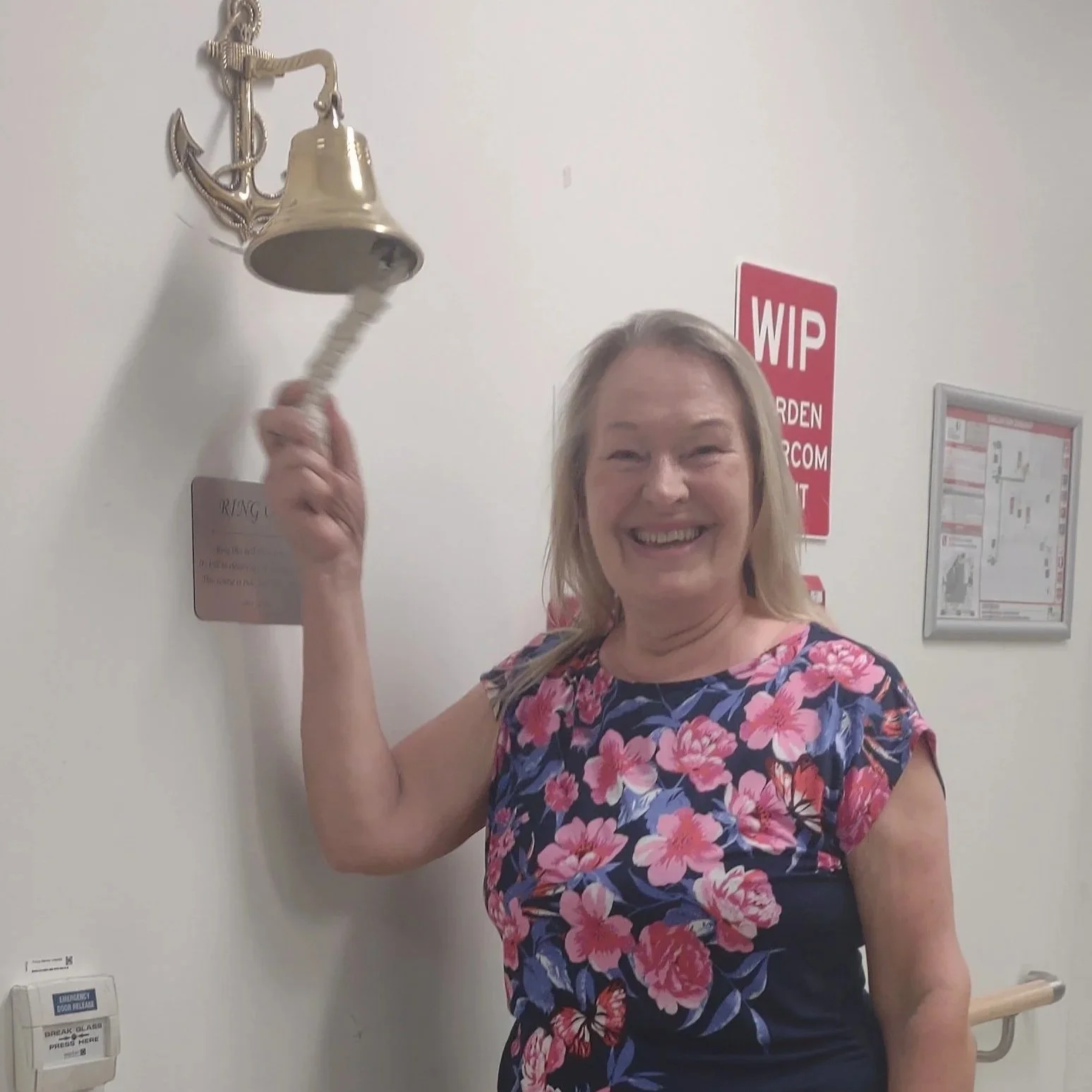
Lyn ringing the bell at the end of her radiotherapy.
She was tested at a mobile breast screening van and within a month had surgery at Bentley Hospital, followed by daily radiotherapy which left her feeling exhausted.
“After the initial shock, I spoke with my supportive GP and was quickly followed up by the Breast Screen WA clinic at RPH. Everyone was so supportive,” she said.
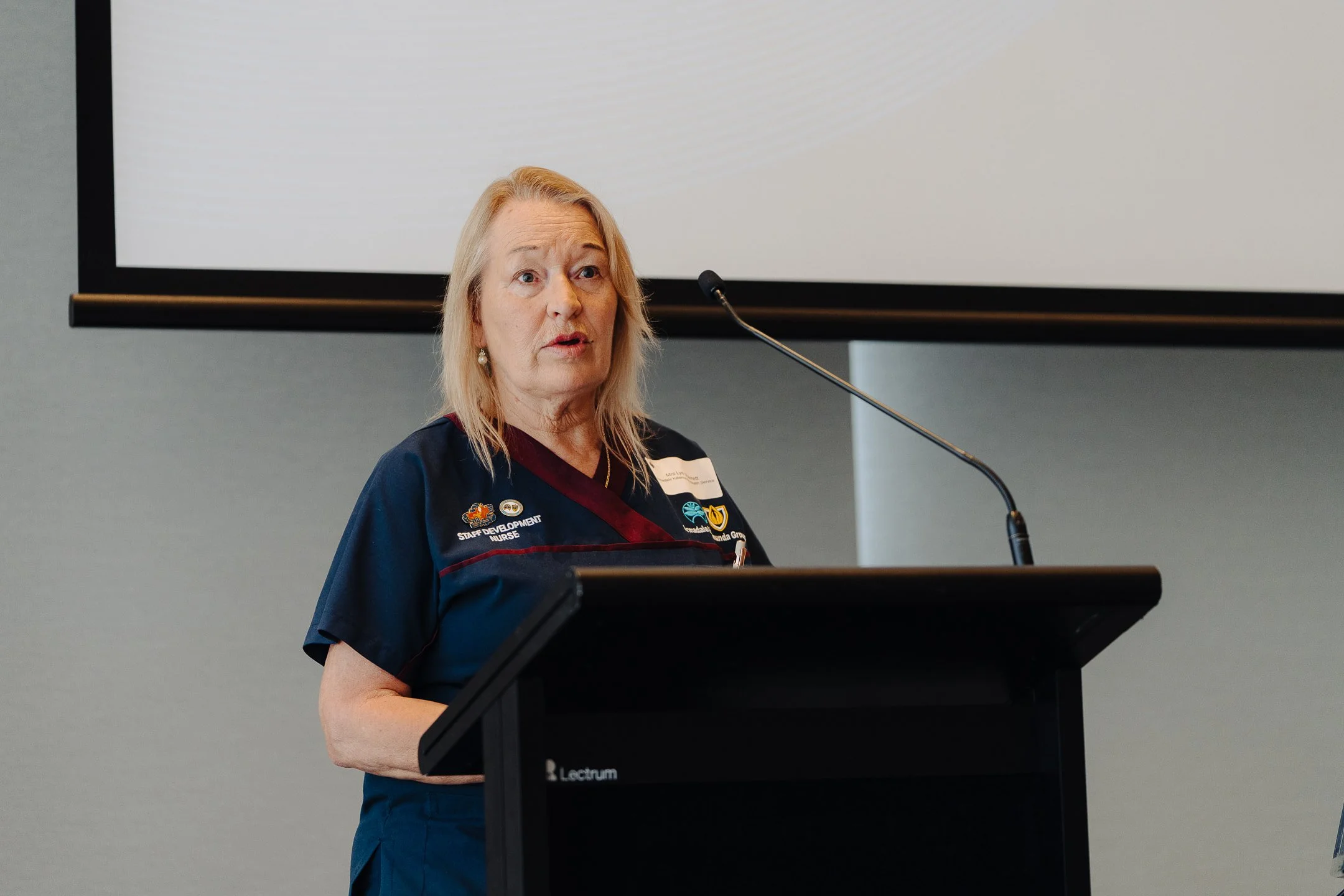
She took leave from her role as a Staff Development Nurse at Armadale Hospital while she recovered.
Lyn joined a research group involving an hour of exercise at RPH each week where she learned exercises to increase her strength and physical fitness.
“It was a chance to personally challenge myself and most of all, improve my mental health,” she said. “I was excited to be accepted for this opportunity. I never thought I'd get this chance. It was a very rewarding experience and I strongly recommend it to anyone else going through the breast cancer journey.
“Susie, my main physiotherapist, gave me so much encouragement and support throughout my recovery process. I'm so very grateful and appreciative of her care,” Lyn said. ““Everyone was so friendly at RPH, from the receptionist welcoming me to the waiting area and all the staff.”
Over the months, Lyn gained strength and can now continue her hobby of geocaching.
“It allows me to get out and about on bush walks and I climbed Castle Rock in the Porongurup and Z Bend Gorge at Kalbarri. I use my watch to record my movement and motivate me each day,” she said.
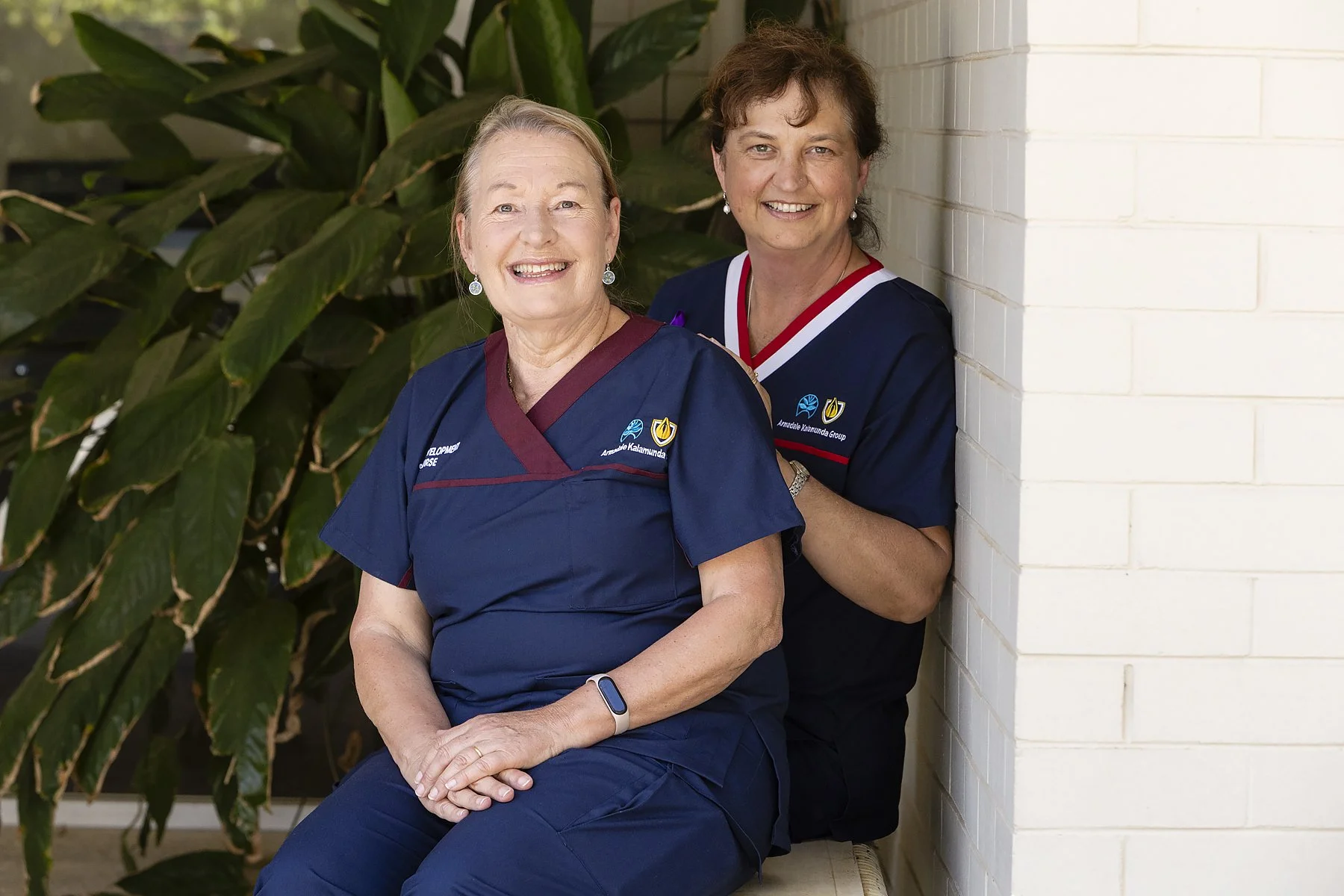
“I am fortunate to have a positive personality, supportive family and friends, and I am extremely grateful for everyone’s love and care. I strongly recommend women get regular mammograms.”
She said the research gave participants a chance to be educated on their care, empowering them with the knowledge and sharing experiences.
The RPH Research Foundation remains proud to support this project because it focuses on improving the quality of life of people living with and beyond cancer, translating research into tangible benefits for patients and families.
A program funded by the RPH Research Foundation is helping women recover from breast cancer by focusing on physical exercise.
The SMART (Self-determined Monitored Adaptable Rehabilitation with Telehealth support) program helped women like Armadale nurse Lyn Sharrett rebound from breast cancer surgery.
Lyn worked one-on-one with a physiotherapist at Royal Perth Hospital (RPH) with tailored exercise plans, coaching and ongoing support, offered either in person or via telehealth. With 157 participants since June 2024, the program was designed to fit around each person's treatment, preferences and lifestyle.
Researchers knew that breast cancer treatment can be physically and emotionally demanding, often causing fatigue, reduced fitness, muscle loss and time away from work and daily activities. While research shows that regular exercise can help reduce these side effects and improve wellbeing, many women face challenges staying active during treatment due to lethargy.
Researchers compared results from the SMART program with standard care to determine whether it impacts health related quality of life, physical strength, fitness, time away from work and the ability to complete treatment.
By helping women stay active during treatment, the study is helping identify practical ways to improve both short and long-term health outcomes for people diagnosed with breast cancer.
Lyn ringing the bell at the end of her radiotherapy.
Two years ago, Lyn Sharrett’ s nursing colleague at Armadale Hospital was diagnosed with breast cancer and urged her team to have a mammogram.
Lyn, in her early 60s, knew she was overdue for a checkup but didn’t expect the journey it would take her on.
“I was shocked to hear my breast cancer diagnosis. I never felt any lump and there was no cancer history in my family,” she said.
She was tested at a mobile breast screening van and within a month had surgery at Bentley Hospital, followed by daily radiotherapy which left her feeling exhausted.
“After the initial shock, I spoke with my supportive GP and was quickly followed up by the Breast Screen WA clinic at RPH. Everyone was so supportive,” she said.
She took leave from her role as a Staff Development Nurse at Armadale Hospital while she recovered.
Lyn joined a research group involving an hour of exercise at RPH each week where she learned exercises to increase her strength and physical fitness.
“It was a chance to personally challenge myself and most of all, improve my mental health,” she said. “I was excited to be accepted for this opportunity. I never thought I'd get this chance. It was a very rewarding experience and I strongly recommend it to anyone else going through the breast cancer journey.
“Susie, my main physiotherapist, gave me so much encouragement and support throughout my recovery process. I'm so very grateful and appreciative of her care,” Lyn said. ““Everyone was so friendly at RPH, from the receptionist welcoming me to the waiting area and all the staff.”
Over the months, Lyn gained strength and can now continue her hobby of geocaching.
“It allows me to get out and about on bush walks and I climbed Castle Rock in the Porongurup and Z Bend Gorge at Kalbarri. I use my watch to record my movement and motivate me each day,” she said.
“I am fortunate to have a positive personality, supportive family and friends, and I am extremely grateful for everyone’s love and care. I strongly recommend women get regular mammograms.”
She said the research gave participants a chance to be educated on their care, empowering them with the knowledge and sharing experiences.
The RPH Research Foundation remains proud to support this project because it focuses on improving the quality of life of people living with and beyond cancer, translating research into tangible benefits for patients and families.