
Dr Dona Jayakody
Hearing aids to reduce risk of dementia and improve quality of life in Aboriginal older adults
Ear Science Institute Australia
Dr Dona Jayakody
Mentor: Professor Leon Flicker AO
$227,872
Hearing loss can affect much more than a person’s ability to hear. Research has linked hearing loss with cognitive decline, mental distress, loneliness and reduced quality of life, making better detection and treatment an important part of supporting healthy ageing. Through her Career Advancement Fellowship, Dr Dona Jayakody investigated the relationship between hearing loss, cognitive health and psychological wellbeing, with a particular focus on older Aboriginal and Torres Strait Islander people.
Her research aimed to understand whether treating hearing loss could improve cognitive and psychosocial outcomes, while also exploring new ways of identifying changes in the brain’s auditory pathways that may occur during the early stages of cognitive impairment. Dr Jayakody’s research contributed to growing evidence that hearing loss is associated with several challenges experienced in later life, including mental distress, emotional loneliness and frailty.
Her research also found improvements in mental wellbeing among people receiving hearing-aid treatment, supporting further investigation into whether hearing rehabilitation may help improve quality of life and support healthier ageing.
A major focus of the Fellowship was improving understanding of hearing health among older Aboriginal and Torres Strait Islander people.
Dr Jayakody established collaborations with First Nations health researchers and Aboriginal health services and developed hearing assessment protocols for Aboriginal healthy ageing research projects. She also trained more than 10 Aboriginal health workers in hearing screening, helping build capacity for hearing-health assessment in rural and remote communities.
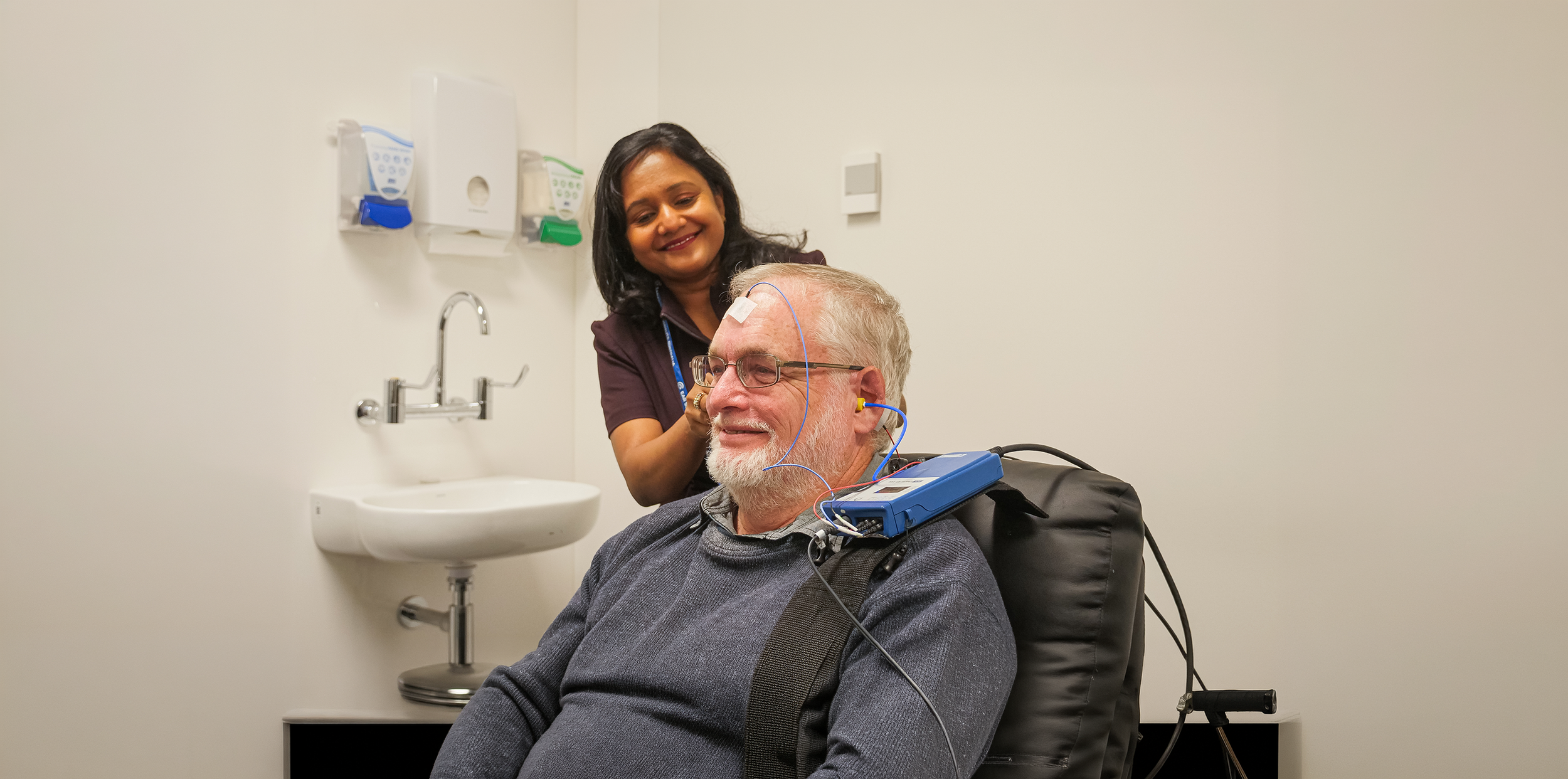
Her research also explored new approaches to measuring how the brain processes sound, including the use of technologies such as EEG and functional near-infrared spectroscopy, with the longer-term goal of identifying auditory changes associated with cognitive decline.
During the Fellowship period, Dr Jayakody secured $2.1 million through the Medical Research Future Fund Indigenous Health Research scheme to further investigate the hearing-health needs of older Aboriginal and Torres Strait Islander people.
She also contributed to an NHMRC-funded $571,000 study examining whether hearing rehabilitation and behavioural activation could reduce mental distress, social isolation and loneliness.
The Fellowship also supported Dr Jayakody’s development as a research leader. She progressed from Deputy Head to Head of Research – Brain & Hearing at Ear Science Institute Australia and was appointed Associate Professor at The University of Western Australia and Curtin University.
Her research continues to explore how better hearing care may support cognitive health, mental wellbeing and quality of life, while helping improve access to culturally appropriate hearing healthcare for diverse Australian communities.
Dr Dona Jayakody
Hearing aids to reduce risk of dementia and improve quality of life in Aboriginal older adults
Ear Science Institute Australia
Dr Dona Jayakody
Mentor: Professor Leon Flicker AO
$227,872
Hearing loss can affect much more than a person’s ability to hear. Research has linked hearing loss with cognitive decline, mental distress, loneliness and reduced quality of life, making better detection and treatment an important part of supporting healthy ageing. Through her Career Advancement Fellowship, Dr Dona Jayakody investigated the relationship between hearing loss, cognitive health and psychological wellbeing, with a particular focus on older Aboriginal and Torres Strait Islander people.
Her research aimed to understand whether treating hearing loss could improve cognitive and psychosocial outcomes, while also exploring new ways of identifying changes in the brain’s auditory pathways that may occur during the early stages of cognitive impairment. Dr Jayakody’s research contributed to growing evidence that hearing loss is associated with several challenges experienced in later life, including mental distress, emotional loneliness and frailty.
Her research also found improvements in mental wellbeing among people receiving hearing-aid treatment, supporting further investigation into whether hearing rehabilitation may help improve quality of life and support healthier ageing.
A major focus of the Fellowship was improving understanding of hearing health among older Aboriginal and Torres Strait Islander people.
Dr Jayakody established collaborations with First Nations health researchers and Aboriginal health services and developed hearing assessment protocols for Aboriginal healthy ageing research projects. She also trained more than 10 Aboriginal health workers in hearing screening, helping build capacity for hearing-health assessment in rural and remote communities.
Her research also explored new approaches to measuring how the brain processes sound, including the use of technologies such as EEG and functional near-infrared spectroscopy, with the longer-term goal of identifying auditory changes associated with cognitive decline.
During the Fellowship period, Dr Jayakody secured $2.1 million through the Medical Research Future Fund Indigenous Health Research scheme to further investigate the hearing-health needs of older Aboriginal and Torres Strait Islander people.
She also contributed to an NHMRC-funded $571,000 study examining whether hearing rehabilitation and behavioural activation could reduce mental distress, social isolation and loneliness.
The Fellowship also supported Dr Jayakody’s development as a research leader. She progressed from Deputy Head to Head of Research – Brain & Hearing at Ear Science Institute Australia and was appointed Associate Professor at The University of Western Australia and Curtin University.
Her research continues to explore how better hearing care may support cognitive health, mental wellbeing and quality of life, while helping improve access to culturally appropriate hearing healthcare for diverse Australian communities.