

Dr Jacques Malherbe
Faster and more accurate testing to guide treatment in acute myeloid leukaemia
Royal Perth Hospital – Department of Haematology
Dr Jacques Malherbe
Mentor: Professor Wendy Erber
$739,946
Dr Jacques Malherbe is a RPH Research Foundation Fellow, recognising his outstanding contribution to translational haematology research and his commitment to improving outcomes for patients with blood cancers. Dr Malherbe's research focuses on giving people with blood cancer the best possible chance of survival by enabling earlier diagnosis, more personalised treatment, and faster intervention when disease relapses occur.
As a clinician-researcher based at Royal Perth Hospital, Dr Malherbe has built an impressive research career over the last decade while simultaneously completing full-time medical and specialist haematology training. His achievements include a strong publication record, success in attracting competitive research funding and building collaborations that translate scientific discoveries into patient care. He has also founded and chairs the inaugural Acute Leukaemia Multidisciplinary Team at RPH, which integrates clinical care, diagnostic pathology and translational research to improve acute leukaemia patient outcomes.
Through the Foundation’s Fellowship, Dr Malherbe will lead a project focused on transforming how acute myeloid leukaemia (AML) is diagnosed and monitored. AML is an aggressive blood cancer that can progress rapidly and requires urgent treatment. However, comprehensive diagnostic testing can take up to six weeks, leaving clinicians to make critical treatment decisions while patients face an aggressive disease that can progress within days.
By combining cutting-edge genomic sequencing, digital pathology and advanced single-cell technologies, Dr Malherbe and his team will develop a new integrated diagnostic platform capable of providing comprehensive disease information within 72 hours. By providing faster and more precise information, clinicians are able to identify the most appropriate treatment sooner, improve patient outcomes and leukemia cure rates. The technology can also help identify signs of disease relapse earlier enabling doctors to act sooner with effective salvage treatments before patients become critically unwell.
The fellowship will support Dr Malherbe's transition to becoming an independent research leader and help build Western Australia's capacity in precision haematology translational research.
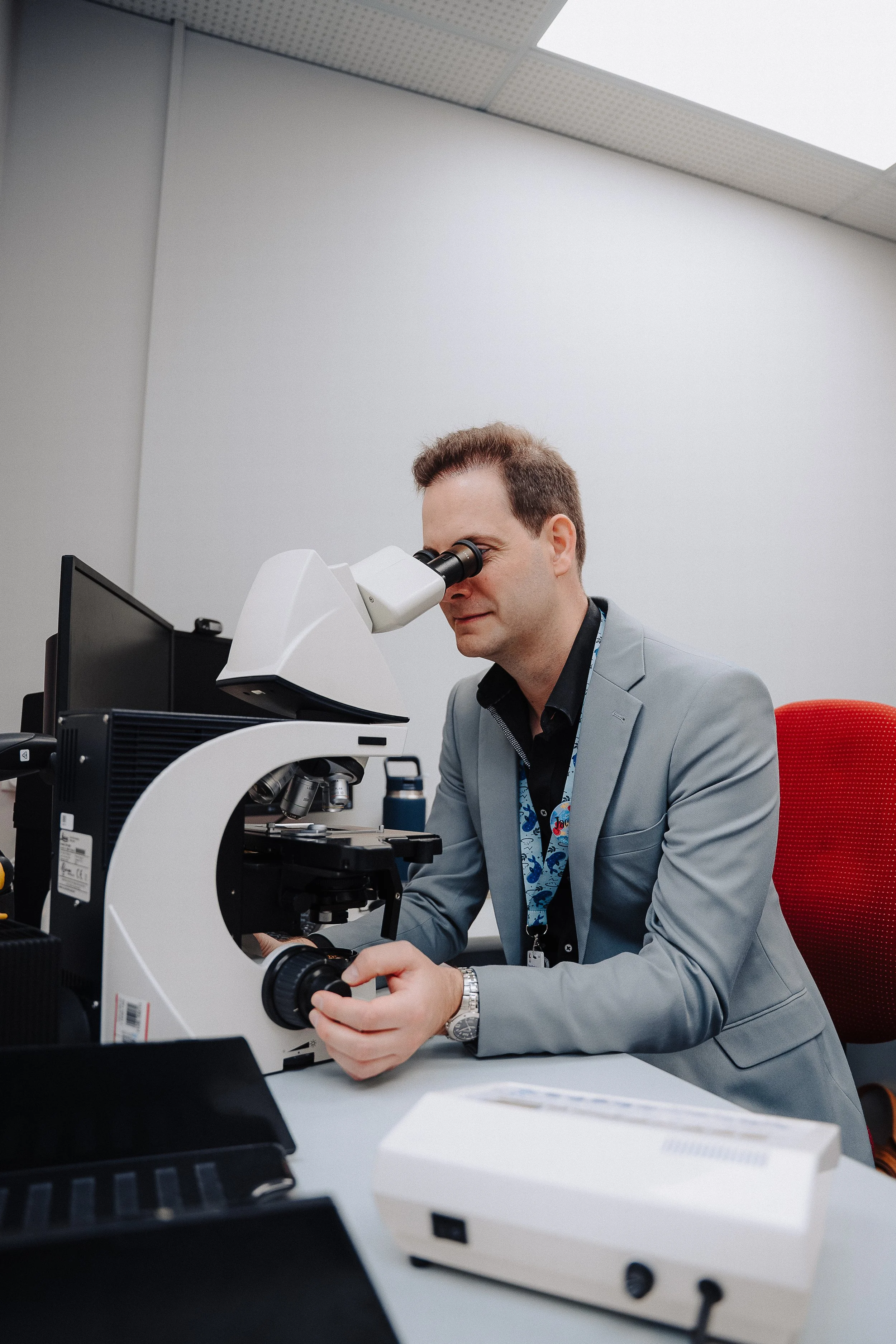
Dr Jacques Malherbe
Faster and more accurate testing to guide treatment in acute myeloid leukaemia
Royal Perth Hospital – Department of Haematology
Dr Jacques Malherbe
Mentor: Professor Wendy Erber
$739,946
Dr Jacques Malherbe is a RPH Research Foundation Fellow, recognising his outstanding contribution to translational haematology research and his commitment to improving outcomes for patients with blood cancers. Dr Malherbe's research focuses on giving people with blood cancer the best possible chance of survival by enabling earlier diagnosis, more personalised treatment, and faster intervention when disease relapses occur.
As a clinician-researcher based at Royal Perth Hospital, Dr Malherbe has built an impressive research career over the last decade while simultaneously completing full-time medical and specialist haematology training. His achievements include a strong publication record, success in attracting competitive research funding and building collaborations that translate scientific discoveries into patient care. He has also founded and chairs the inaugural Acute Leukaemia Multidisciplinary Team at RPH, which integrates clinical care, diagnostic pathology and translational research to improve acute leukaemia patient outcomes.
Through the Foundation’s Fellowship, Dr Malherbe will lead a project focused on transforming how acute myeloid leukaemia (AML) is diagnosed and monitored. AML is an aggressive blood cancer that can progress rapidly and requires urgent treatment. However, comprehensive diagnostic testing can take up to six weeks, leaving clinicians to make critical treatment decisions while patients face an aggressive disease that can progress within days.
By combining cutting-edge genomic sequencing, digital pathology and advanced single-cell technologies, Dr Malherbe and his team will develop a new integrated diagnostic platform capable of providing comprehensive disease information within 72 hours. By providing faster and more precise information, clinicians are able to identify the most appropriate treatment sooner, improve patient outcomes and leukemia cure rates. The technology can also help identify signs of disease relapse earlier enabling doctors to act sooner with effective salvage treatments before patients become critically unwell.
The fellowship will support Dr Malherbe's transition to becoming an independent research leader and help build Western Australia's capacity in precision haematology translational research.