
Dr Lakshini Herat
Protecting the eyes and kidneys from diabetes-induced damage
The University of Western Australia
Dr Lakshini Herat
Mentor: Dr Vance Matthews
$233,755
Diabetes can cause serious complications throughout the body, including damage to the eyes and kidneys. Diabetic retinopathy can lead to vision loss and blindness, while diabetic nephropathy can progress to kidney failure and the need for dialysis.
Through her Career Advancement Fellowship, Dr Lakshini Herat investigated whether a class of glucose-lowering medicines known as sodium-glucose co-transporter 2 inhibitors, or SGLT2 inhibitors, could also help protect the eyes and kidneys from diabetes-related damage.
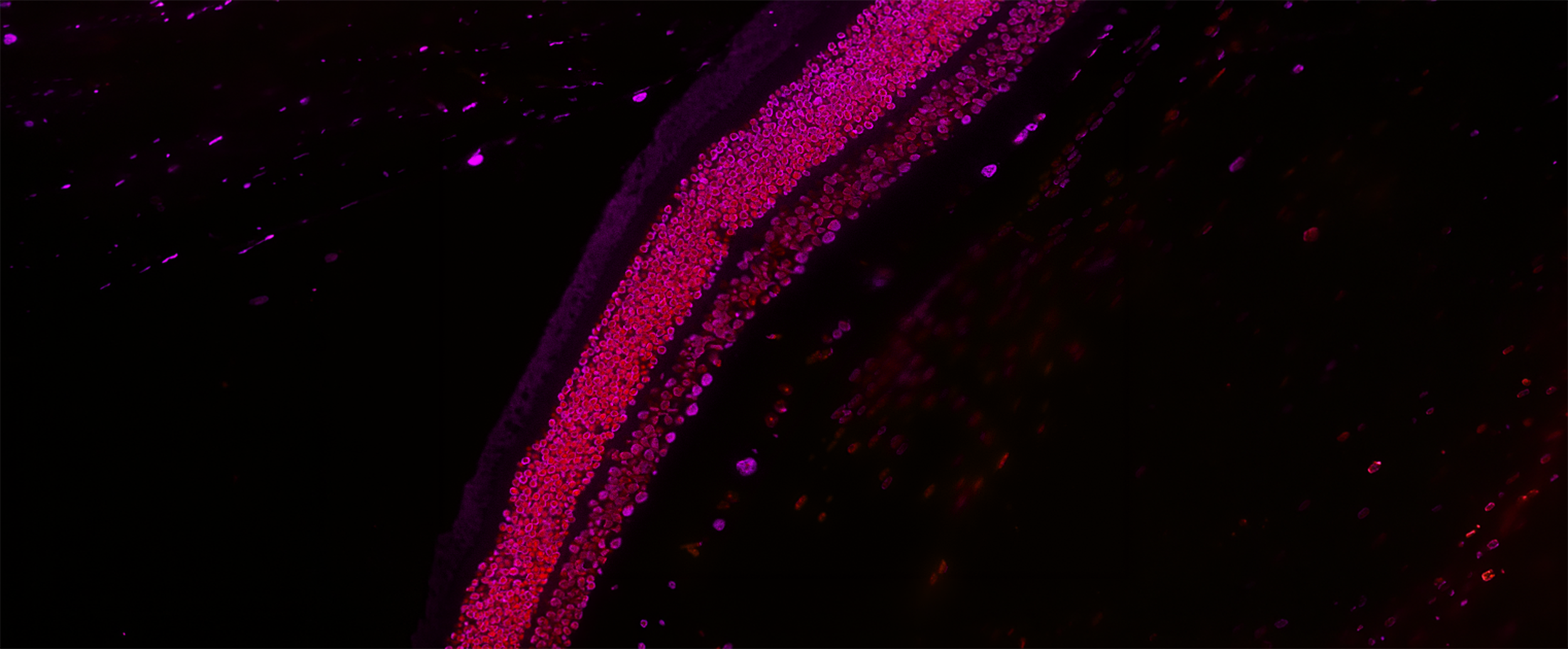
Her research compared several commonly used SGLT2 inhibitors to determine whether their protective effects were shared across the drug class or differed between individual medicines. Dr Herat’s research found that different SGLT2 inhibitors produced different effects on diabetes-related organ damage.
Empagliflozin reduced the development and progression of abnormal blood-vessel changes in models of diabetic retinopathy and also showed benefits for kidney health.
Dapagliflozin reduced abnormalities affecting retinal blood vessels and nerve tissue and increased levels of a protective growth factor.
Canagliflozin improved blood glucose control but demonstrated more limited effects on retinal health in the diabetic model studied.
The Fellowship also led Dr Herat to investigate SGLT1, another glucose transporter that may influence the effectiveness of SGLT2 inhibition. This work identified changes in SGLT1 expression during diabetes and following SGLT2 inhibitor treatment, leading to further studies of medicines that target both SGLT1 and SGLT2.
One of these medicines, sotagliflozin, improved blood glucose, blood pressure and several measures of kidney function in a preclinical model of type 1 diabetes, while also showing protective effects in the heart and kidneys.
Dr Herat’s research helped build a foundation for further studies investigating how SGLT inhibitors may protect multiple organs affected by diabetes.
Clinical studies within the Dobney Hypertension Centre have since incorporated retinal imaging to further examine the effects of SGLT2 inhibition in people with obesity, diabetes and metabolic syndrome.
The Fellowship also supported Dr Herat’s development as an independent researcher. In 2024, she was awarded a National Heart Foundation Postdoctoral Fellowship to continue her research into therapies for cardio-kidney-metabolic syndrome.
She also progressed into a Senior Research Fellow role, taking on leadership of the Translational Research Laboratory within the Dobney Hypertension Centre and expanding her research collaborations in cardiovascular, kidney and metabolic health.
Her research continues to explore how medicines originally developed to control blood glucose may also help reduce the serious long-term complications of diabetes.
Dr Lakshini Herat
Protecting the eyes and kidneys from diabetes-induced damage
The University of Western Australia
Dr Lakshini Herat
Mentor: Dr Vance Matthews
$233,755
Diabetes can cause serious complications throughout the body, including damage to the eyes and kidneys. Diabetic retinopathy can lead to vision loss and blindness, while diabetic nephropathy can progress to kidney failure and the need for dialysis.
Through her Career Advancement Fellowship, Dr Lakshini Herat investigated whether a class of glucose-lowering medicines known as sodium-glucose co-transporter 2 inhibitors, or SGLT2 inhibitors, could also help protect the eyes and kidneys from diabetes-related damage.
Her research compared several commonly used SGLT2 inhibitors to determine whether their protective effects were shared across the drug class or differed between individual medicines. Dr Herat’s research found that different SGLT2 inhibitors produced different effects on diabetes-related organ damage.
Empagliflozin reduced the development and progression of abnormal blood-vessel changes in models of diabetic retinopathy and also showed benefits for kidney health.
Dapagliflozin reduced abnormalities affecting retinal blood vessels and nerve tissue and increased levels of a protective growth factor.
Canagliflozin improved blood glucose control but demonstrated more limited effects on retinal health in the diabetic model studied.
The Fellowship also led Dr Herat to investigate SGLT1, another glucose transporter that may influence the effectiveness of SGLT2 inhibition. This work identified changes in SGLT1 expression during diabetes and following SGLT2 inhibitor treatment, leading to further studies of medicines that target both SGLT1 and SGLT2.
One of these medicines, sotagliflozin, improved blood glucose, blood pressure and several measures of kidney function in a preclinical model of type 1 diabetes, while also showing protective effects in the heart and kidneys.
Dr Herat’s research helped build a foundation for further studies investigating how SGLT inhibitors may protect multiple organs affected by diabetes.
Clinical studies within the Dobney Hypertension Centre have since incorporated retinal imaging to further examine the effects of SGLT2 inhibition in people with obesity, diabetes and metabolic syndrome.
The Fellowship also supported Dr Herat’s development as an independent researcher. In 2024, she was awarded a National Heart Foundation Postdoctoral Fellowship to continue her research into therapies for cardio-kidney-metabolic syndrome.
She also progressed into a Senior Research Fellow role, taking on leadership of the Translational Research Laboratory within the Dobney Hypertension Centre and expanding her research collaborations in cardiovascular, kidney and metabolic health.
Her research continues to explore how medicines originally developed to control blood glucose may also help reduce the serious long-term complications of diabetes.