

Better COPD Care Through Conversation
What does good COPD care look like? Improving everyday conversations between clinicians and people with COPD.
Royal Perth Hospital
Funding: $20,000
Coordinating Principal Investigator: Dr Sarah Hug
Co-Investigators: Ms Carol Watson, Ms Hayley Wright, Ms Jade Larsson, Dr Robert Schutze, Dr Irene Moore, Dr Dylan Beinart, A/Prof Narelle Cox
Chronic obstructive pulmonary disease (COPD) is a common lung condition that causes breathlessness and makes everyday activities difficult. It also places a significant burden on individuals and the healthcare system, with thousands of hospitalisations every year.
Although COPD cannot be cured, there are clear, evidence-based steps that help people live well and stay out of hospital. In 2024, the Australian Commission on Safety and Quality in Healthcare released national COPD Clinical Care Standards outlining 10 simple, evidence-based steps, such as undertaking pulmonary rehabilitation, quitting smoking and taking medications correctly, that can help people stay well and out of hospital.
However, putting these standards into practice is not always straightforward. Recent research across Royal Perth Hospital, Fiona Stanley Hospital and Sir Charles Gairdner Hospital found that referral to pulmonary rehabilitation, one of the most effective treatments, was much lower than expected.
This disconnect between recommended care and actual practice suggests that clinicians may be aware of guidelines but do not have the tools to support patients to adopt these health-enhancing, evidence-based interventions
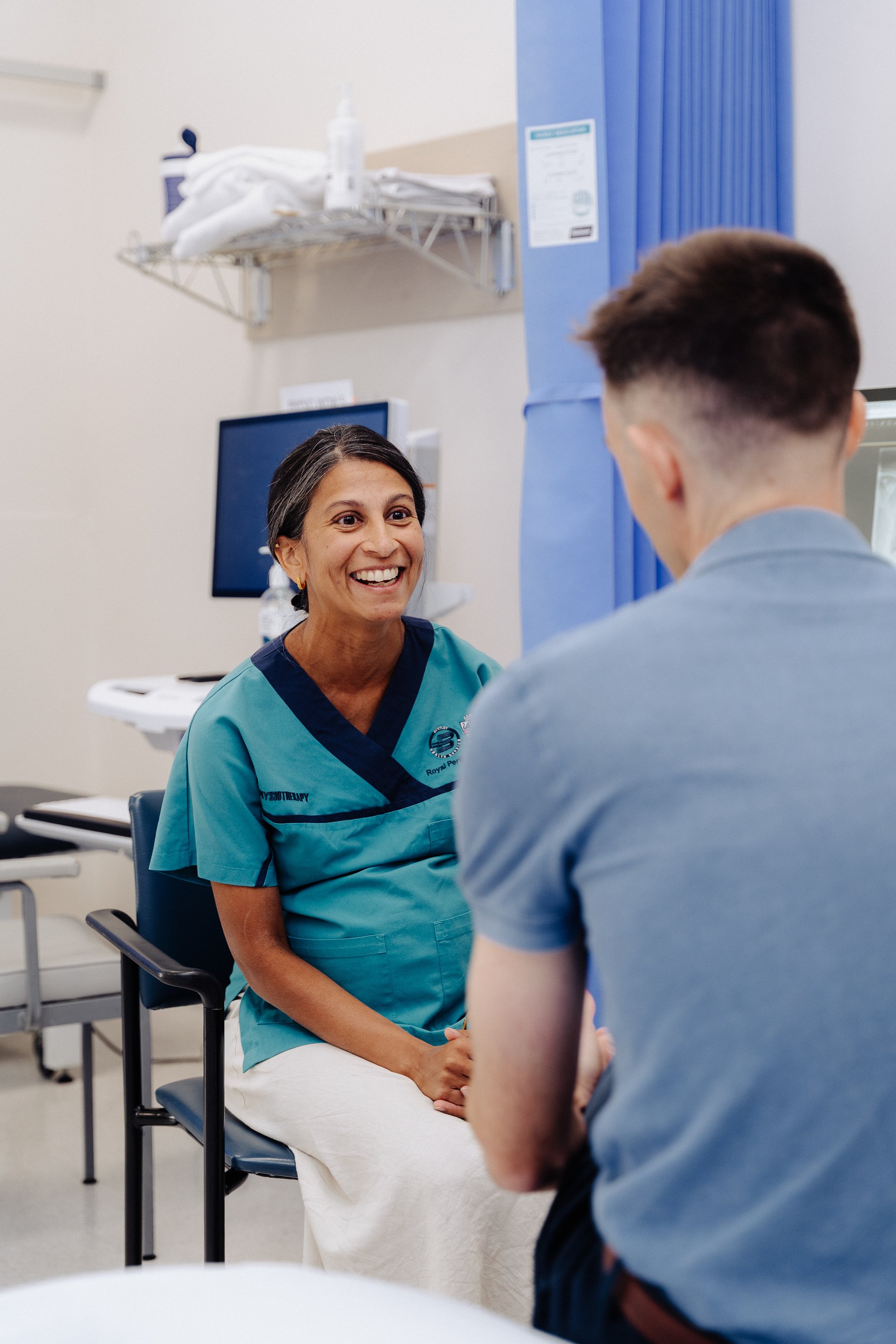
The team’s earlier research at RPH showed that how clinicians interact with patients, including their body language, sincerity, ability to listen, and how well they showed they care, plays a crucial role in a patients’ engagement in healthcare. This study aims to determine what good COPD care looks like in real-life clinical conversations to ensure healthcare fits the needs of the individual.
The research team will work closely with people living with COPD and clinicians at Royal Perth Hospital to determine what makes clinician interactions empowering and more likely to lead to lasting patient behaviour change.
Findings from this study will inform practical recommendations and training for clinicians, helping them better support patients to manage their condition. Ultimately, this could lead to improved quality of life for people with COPD and fewer hospital admissions.
Better COPD Care Through Conversation
What does good COPD care look like? Improving everyday conversations between clinicians and people with COPD.
Royal Perth Hospital
Funding: $20,000
Coordinating Principal Investigator: Dr Sarah Hug
Co-Investigators: Ms Carol Watson, Ms Hayley Wright, Ms Jade Larsson, Dr Robert Schutze, Dr Irene Moore, Dr Dylan Beinart, A/Prof Narelle Cox
Chronic obstructive pulmonary disease (COPD) is a common lung condition that causes breathlessness and makes everyday activities difficult. It also places a significant burden on individuals and the healthcare system, with thousands of hospitalisations every year.
Although COPD cannot be cured, there are clear, evidence-based steps that help people live well and stay out of hospital. In 2024, the Australian Commission on Safety and Quality in Healthcare released national COPD Clinical Care Standards outlining 10 simple, evidence-based steps, such as undertaking pulmonary rehabilitation, quitting smoking and taking medications correctly, that can help people stay well and out of hospital.
However, putting these standards into practice is not always straightforward. Recent research across Royal Perth Hospital, Fiona Stanley Hospital and Sir Charles Gairdner Hospital found that referral to pulmonary rehabilitation, one of the most effective treatments, was much lower than expected.
This disconnect between recommended care and actual practice suggests that clinicians may be aware of guidelines but do not have the tools to support patients to adopt these health-enhancing, evidence-based interventions
The team’s earlier research at RPH showed that how clinicians interact with patients, including their body language, sincerity, ability to listen, and how well they showed they care, plays a crucial role in a patients’ engagement in healthcare. This study aims to determine what good COPD care looks like in real-life clinical conversations to ensure healthcare fits the needs of the individual.
The research team will work closely with people living with COPD and clinicians at Royal Perth Hospital to determine what makes clinician interactions empowering and more likely to lead to lasting patient behaviour change.
Findings from this study will inform practical recommendations and training for clinicians, helping them better support patients to manage their condition. Ultimately, this could lead to improved quality of life for people with COPD and fewer hospital admissions.