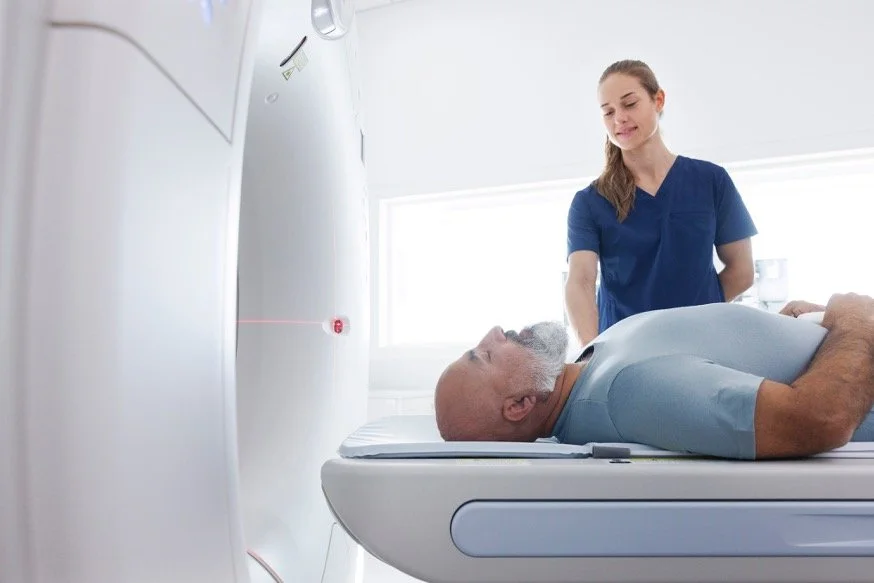
A CT coronary angiography is a specialised scan that produces detailed images of the heart’s blood vessels.
Coronary heart disease is the most common form of cardiovascular disease and the second leading single cause of death in Australia, with 42,700 lives lost every year. However, many people may not realise how much their family history can influence their own risk.
The RPH Research Foundation’s recent Community Health Talk at the City of Perth Library ‘Family History and Coronary Heart Disease: Understanding the Risk’ presented by Dr Nick Lan, shared with the community the importance of family history when understanding risk.
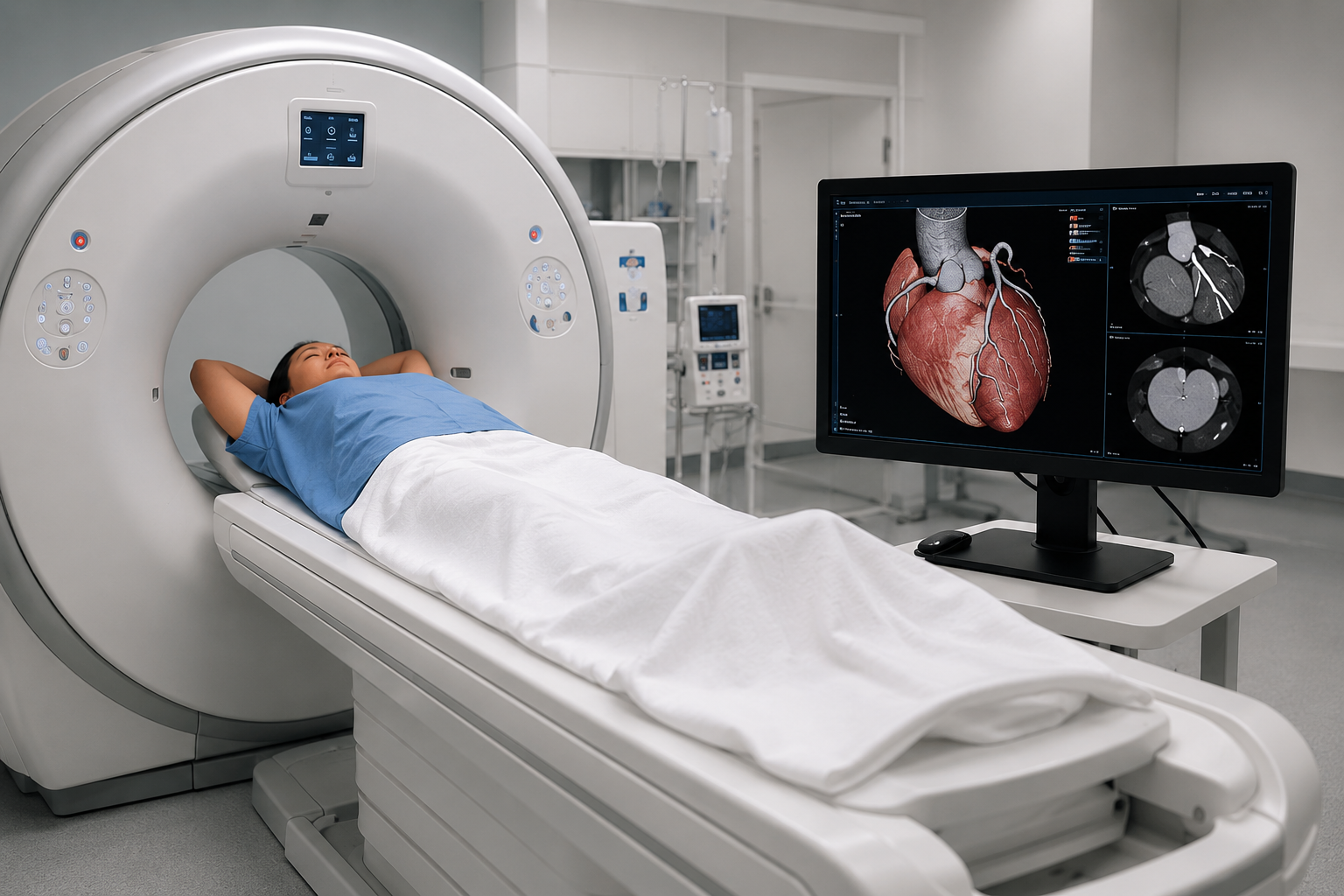
A CT coronary angiography is a specialised scan that produces detailed images of the heart’s blood vessels.
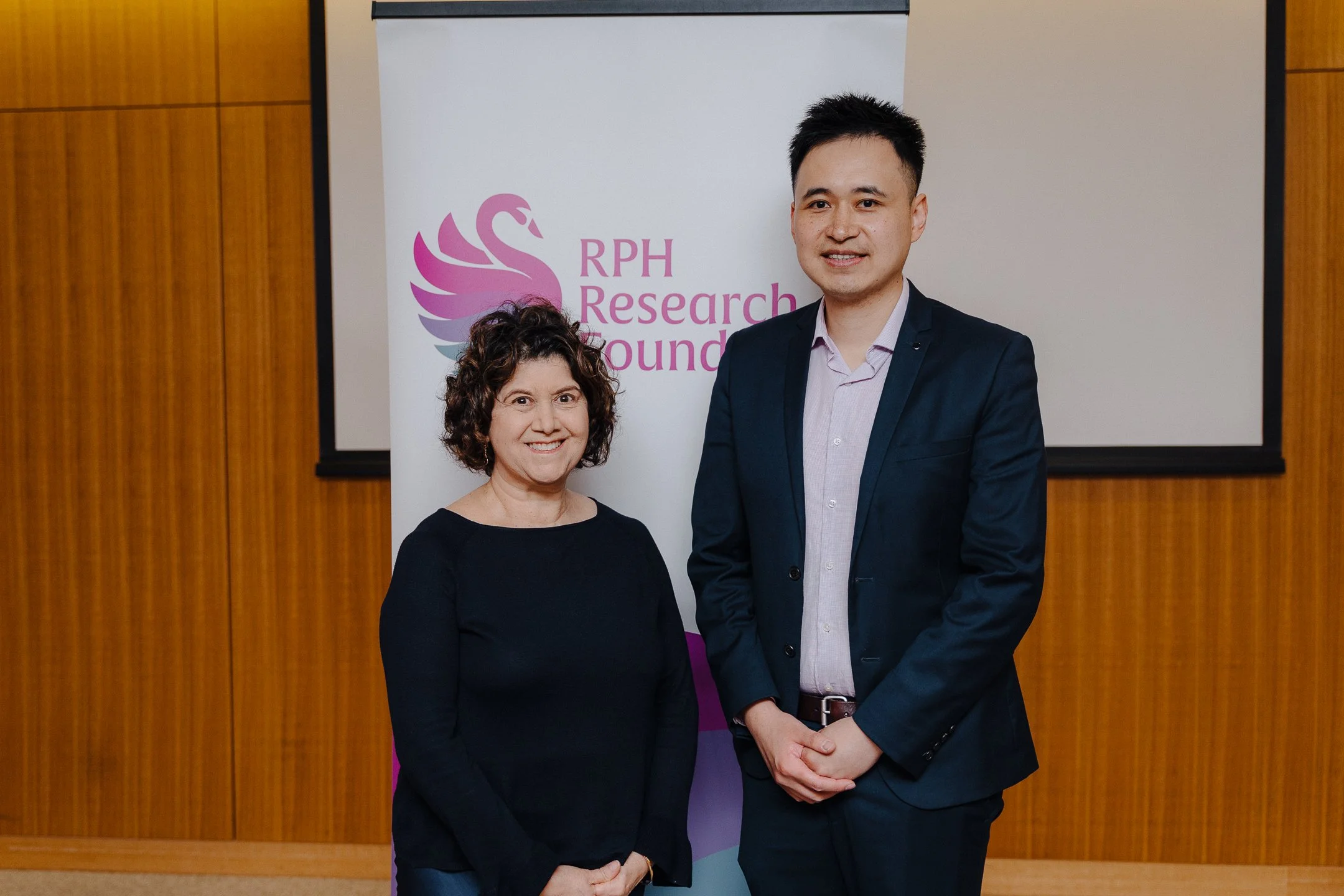
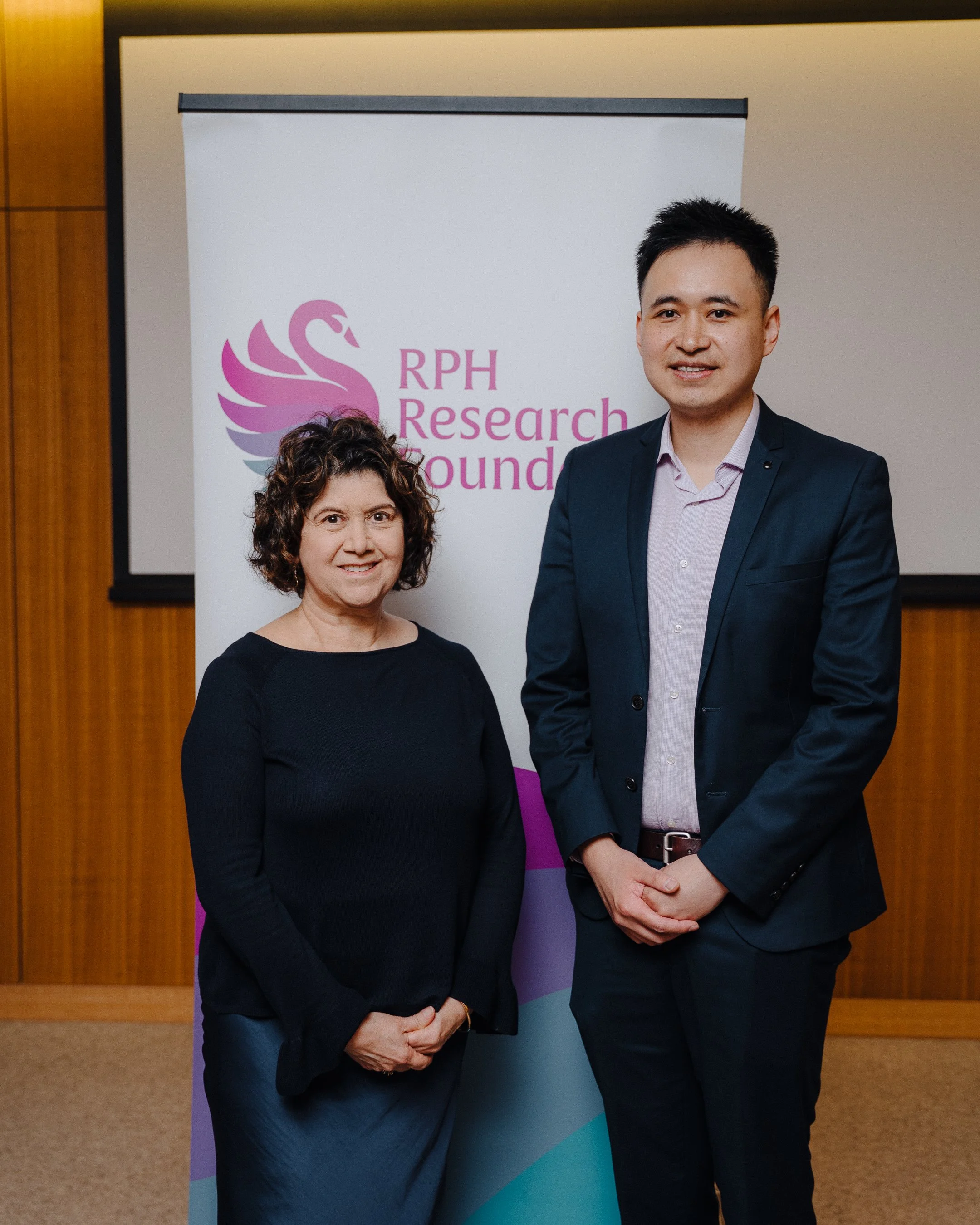
Image: Cate Cassarchis (RPHRF CEO) and Dr Nick Lan (2025 Ignition Grant recipient)
Dr Lan is the recipient of a 2025 Ignition Grant for the CASCADE-MI study, which is exploring better ways to identify young adults who may be at higher risk of heart disease because of a family history of premature heart attack.
People with a family history of premature heart attacks are at much higher risk of developing heart disease. However, many are not identified early enough to benefit from prevention.
Through the CASCADE-MI study, Dr Lan and his team are investigating whether adding CT coronary angiography to standard risk assessments can improve cholesterol management for young adult relatives of people who have experienced premature myocardial infarction.
The scan can reveal plaque build-up in the heart’s arteries before symptoms appear, helping to guide treatment and motivate healthier lifestyle choices.
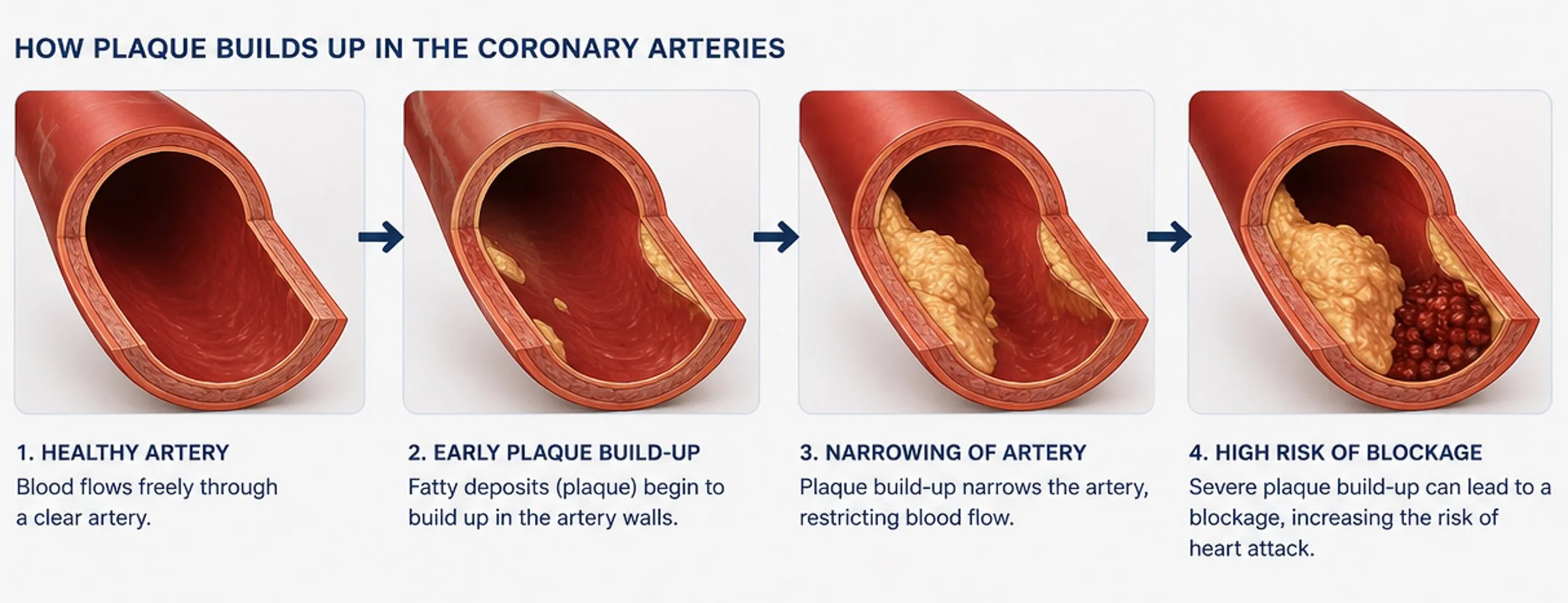
In the Community Health Talk, Dr Lan explained what family history really means when it comes to heart health, why some people may be at higher risk of developing coronary heart disease at a younger age, and what practical steps can be taken to reduce that risk.
While family history is an important risk factor, it does not mean heart disease is inevitable. As Dr Lan said, “genetics load the gun, lifestyle pulls the trigger”. Simple health checks, early conversations with your GP, and everyday lifestyle changes can all play a valuable role in prevention and early detection. Understanding your risk is the first step towards taking action.
Dr Lan also discussed how research, including the CASCADE-MI study, is helping improve early detection and prevention for families at higher risk of heart disease. By recruiting patients across the East Metropolitan Health Service, the trial aims to provide the foundation for a larger national study, with the potential to transform how families at high risk are protected from heart disease.
Watch the recording below to learn more about family history, coronary heart disease, early warning signs, and the steps you can take to support your heart health.
The RPH Research Foundation’s Community Health Talks are free public events designed to connect the community with researchers and clinicians, sharing practical health information and the latest developments in medical research.
CASCADE-MI Study
Do you have a parent or a sibling who had a heart attack before age 55? Are you aged between 30 and 55? You may be eligible to take part in a new heart health study. As part of the study, you’ll receive a heart health check which may include a cutting-edge Cardiac CT scan. Click here to fill in an expression of interest form CASCADE MI Study at Fiona Stanley Hospital.
Coronary heart disease is the most common form of cardiovascular disease and the second leading single cause of death in Australia, with 42,700 lives lost every year. However, many people may not realise how much their family history can influence their own risk.
The RPH Research Foundation’s recent Community Health Talk at the City of Perth Library ‘Family History and Coronary Heart Disease: Understanding the Risk’ presented by Dr Nick Lan, shared with the community the importance of family history when understanding risk.
Dr Lan is the recipient of a 2025 Ignition Grant for the CASCADE-MI study, which is exploring better ways to identify young adults who may be at higher risk of heart disease because of a family history of premature heart attack.
People with a family history of premature heart attacks are at much higher risk of developing heart disease. However, many are not identified early enough to benefit from prevention.
Through the CASCADE-MI study, Dr Lan and his team are investigating whether adding CT coronary angiography to standard risk assessments can improve cholesterol management for young adult relatives of people who have experienced premature myocardial infarction.
The scan can reveal plaque build-up in the heart’s arteries before symptoms appear, helping to guide treatment and motivate healthier lifestyle choices.
In the Community Health Talk, Dr Lan explained what family history really means when it comes to heart health, why some people may be at higher risk of developing coronary heart disease at a younger age, and what practical steps can be taken to reduce that risk.
While family history is an important risk factor, it does not mean heart disease is inevitable. As Dr Lan said, “genetics load the gun, lifestyle pulls the trigger”. Simple health checks, early conversations with your GP, and everyday lifestyle changes can all play a valuable role in prevention and early detection. Understanding your risk is the first step towards taking action.
Dr Lan also discussed how research, including the CASCADE-MI study, is helping improve early detection and prevention for families at higher risk of heart disease. By recruiting patients across the East Metropolitan Health Service, the trial aims to provide the foundation for a larger national study, with the potential to transform how families at high risk are protected from heart disease.
Watch the recording below to learn more about family history, coronary heart disease, early warning signs, and the steps you can take to support your heart health.
The RPH Research Foundation’s Community Health Talks are free public events designed to connect the community with researchers and clinicians, sharing practical health information and the latest developments in medical research.
CASCADE-MI Study
Do you have a parent or a sibling who had a heart attack before age 55? Are you aged between 30 and 55? You may be eligible to take part in a new heart health study. As part of the study, you’ll receive a heart health check which may include a cutting-edge Cardiac CT scan. Click here to fill in an expression of interest form CASCADE MI Study at Fiona Stanley Hospital.